Attain the Perfect Equilibrium of Type and Function with Legs For Kitchen Island
Wiki Article
Important Elements to Think About When Selecting Legs For Kitchen Island
Selecting the appropriate legs for a cooking area island entails a mindful evaluation of several elements that can considerably influence both capability and visual charm. Among these, the choice of product plays an essential function in guaranteeing durability, while the style should complement the existing style. Considerations such as elevation and weight assistance are necessary for stability and comfort. As we discover these components, it ends up being clear that each choice can have significant ramifications for the overall kitchen experience. What subtleties should be considered in each of these groups to attain the perfect equilibrium?Material Options
When picking legs for a kitchen island, comprehending the different material choices is important for attaining both visual charm and architectural honesty (Legs For Kitchen Island). The option of product significantly influences not just the durability of the island however additionally its overall design and performanceTimber is a popular option, using heat and flexibility. Solid woods, such as oak or maple, give strength and can be discolored or painted to match the cooking area style. Metal legs, frequently made from stainless-steel or functioned iron, add a modern and industrial feel while making sure longevity and security. These products are resistant to wear and can support substantial weight, making them optimal for larger islands.
One more option is engineered materials, like MDF or plywood, which can be extra cost-effective while still offering a series of coatings. Nonetheless, they might not supply the exact same level of security as strong wood or steel. Materials such as acrylic or glass can develop a modern look, though they might require extra support to guarantee stability.
Eventually, the choice of material for cooking area island legs must line up with the desired capability and the general theme of the cooking area.
Design And Style
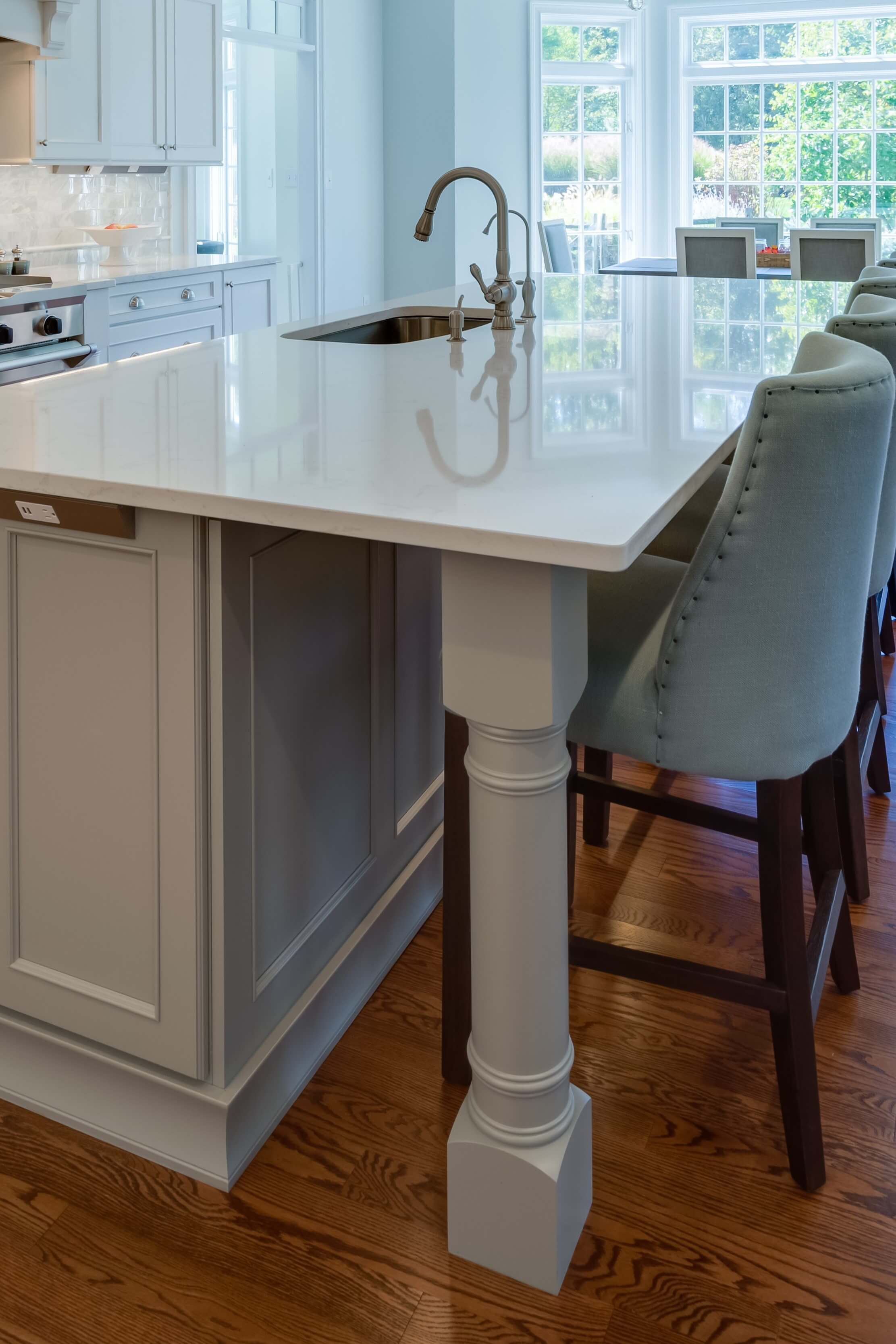
When considering style, the shape and surface of the legs are important. Conical legs can give a feeling of agility and elegance, while thicker, more robust legs can convey strength and stability. Additionally, the finish-- be it painted, stained, or natural-- should complement the cabinetry and countertop materials to develop a unified appearance.
In addition, the layout of the legs can additionally show individual taste. Customized or decorative legs, such as those featuring intricate carvings or one-of-a-kind geometric forms, can work as centerpieces, adding character and individuality to the cooking area. Inevitably, the ideal option will not just improve performance however also boost the visual charm, making the kitchen island a standout feature of the home.
Elevation Considerations
Selecting the appropriate elevation for kitchen island legs is vital, as it directly affects both functionality and convenience. The standard elevation for a kitchen island usually varies from 36 to 42 inches, lining up with usual countertop elevations.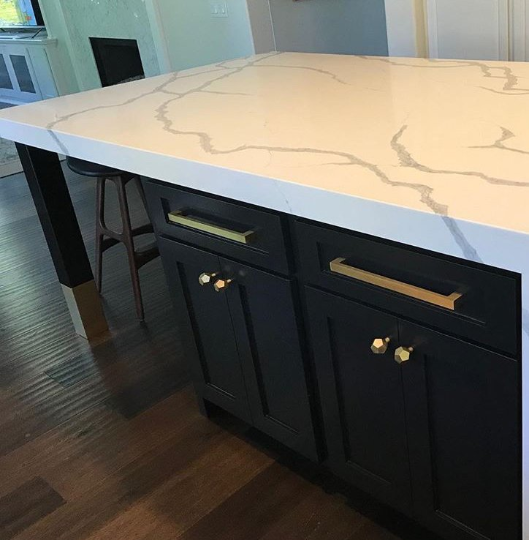
It is likewise important to represent users' preferences and elevations. Tailoring the height can ensure a comfy experience for all relative, making the cooking area island a much more pleasurable and useful room.
Weight Assistance
Guaranteeing ample weight support for kitchen island legs is essential for both security and capability. The kitchen area island frequently offers several objectives, including cooking, dining, and added storage, demanding a robust assistance structure. When picking legs, it is essential to take into consideration the general weight capacity required based upon the island's intended usage and the products that will be positioned on it.The choice of product for the legs plays a significant function in their weight-bearing capacities. Solid timber, steel, and heavy-duty composites usually offer exceptional strength compared to lighter products. In addition, the style of the legs-- whether read what he said they are directly, tapered, or have a pedestal kind-- can affect their capacity to disperse weight efficiently throughout the framework.
Constantly consult the manufacturer's specifications concerning tons limitations to make sure that the legs can sustain the designated weight without jeopardizing security. In summary, selecting kitchen island legs with adequate weight assistance is essential for developing a secure and useful culinary space.
Installation and Upkeep
learn the facts here now Correct setup and maintenance of kitchen island legs are critical for ensuring long life and security. To begin, it is necessary to follow the manufacturer's standards during installation. This often entails protecting the legs to the island base making use of appropriate fasteners, ensuring that the legs are degree and lined up. Utilizing a degree tool can help protect against wobbling and enhance the general aesthetic allure of the kitchen area island.Once set up, regular upkeep is necessary to protect the honesty and appearance of the legs - Legs For Kitchen Island. For wood legs, periodic cleansing with a damp fabric and application of ideal wood gloss can prevent wetness damages and maintain their coating. Metal legs may call for a gentle cleaning remedy to remove grease and crud, followed by a additional reading dry towel to prevent corrosion development
Additionally, examine the legs on a regular basis for signs of wear or damage, such as splits or loosened joints. Tightening up screws or bolts as needed can also extend the life expectancy of the legs. By sticking to these installment and upkeep techniques, house owners can make certain that their kitchen island remains sturdy and aesthetically appealing for several years to come.
Verdict
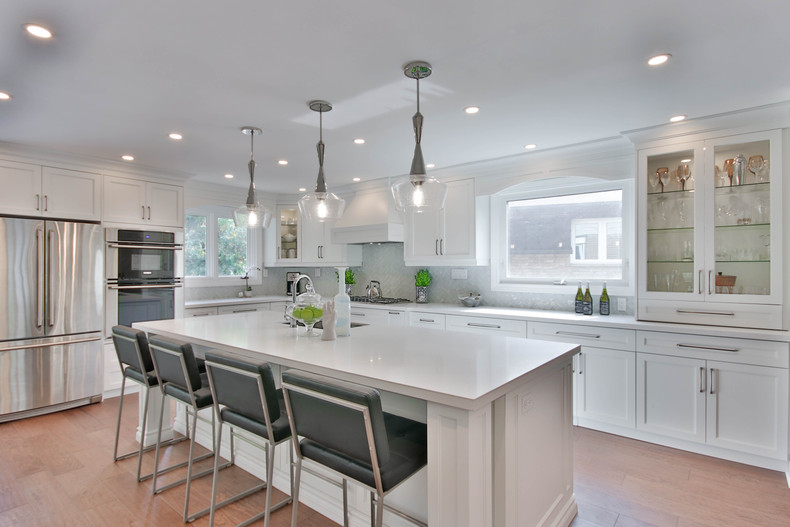
Aesthetic comprehensibility is extremely important in selecting the style and style of legs for a cooking area island, as these elements significantly affect the total setting of the space. Tapered legs can supply a feeling of agility and elegance, while thicker, much more robust legs can communicate stamina and security.Picking the appropriate height for kitchen island legs is important, as it straight influences both capability and convenience. In recap, picking cooking area island legs with adequate weight support is important for producing a practical and risk-free culinary area.
In final thought, choosing legs for a kitchen area island requires careful consideration of various factors, including product alternatives, design, height, weight assistance, and setup.
Report this wiki page